
Preparing Your Vehicle for Saskatchewan Winters: Essential Tips
TF
Understand the Challenges of Saskatchewan Winters
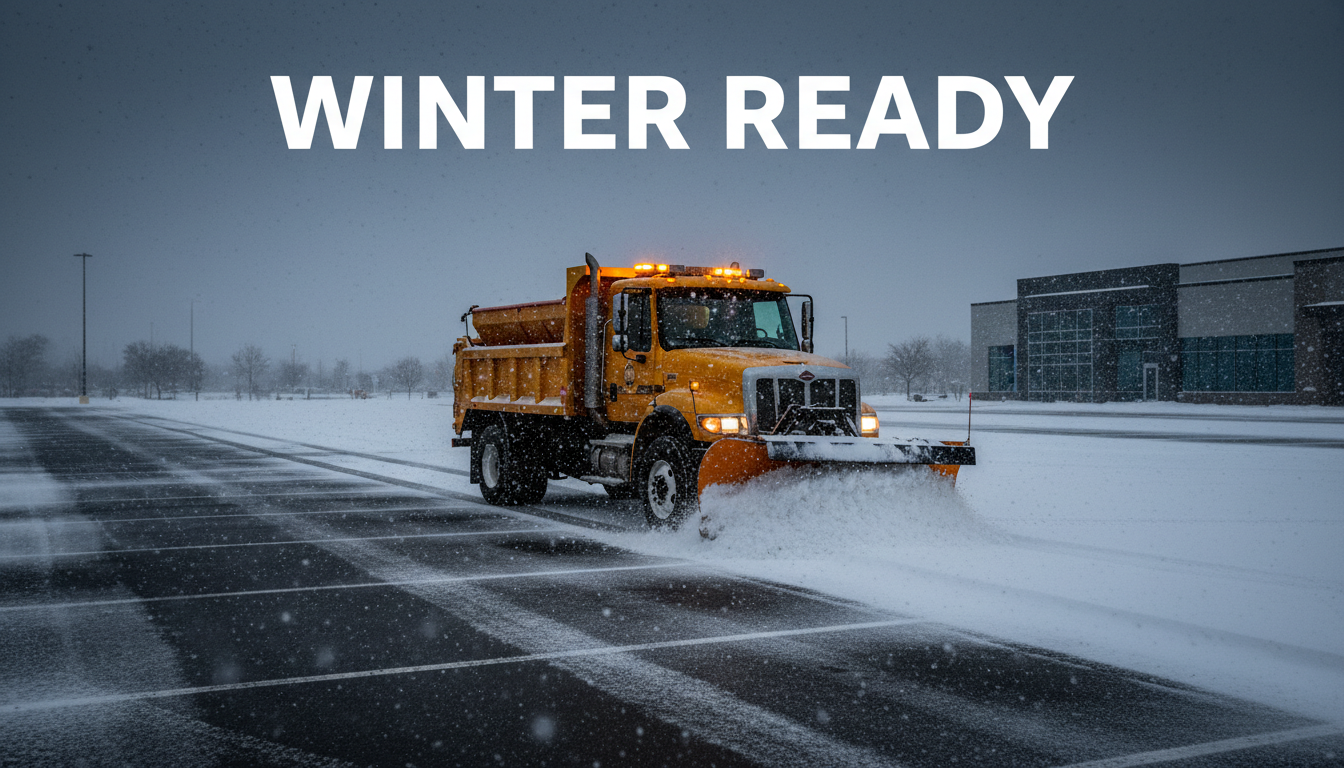
Saskatchewan winters can be harsh, with temperatures often plummeting well below freezing. Snow and ice can create challenging driving conditions, making it essential to prepare your vehicle adequately. By taking the time to ready your car for winter, you ensure safety and peace of mind throughout the season.
Invest in Quality Winter Tires
One of the most crucial steps in preparing your vehicle for winter is installing quality winter tires. These tires are designed to provide better traction on snow and ice, which can significantly improve your vehicle's handling and braking performance. Ensure your tires are properly inflated, as cold temperatures can cause tire pressure to drop.
Consider using a tire pressure gauge regularly and keep your tire pressure at the recommended level. Proper inflation helps maintain control and can prevent unnecessary wear.
Check and Refill Fluids
Fluids play a vital role in ensuring your car runs smoothly during the winter months. Check your antifreeze levels and top them up if necessary. Antifreeze prevents the engine from freezing and overheating, making it essential for winter driving. Ensure your windshield washer fluid is rated for low temperatures to avoid it freezing in the reservoir.
Additionally, check your oil and consider using a winter-grade oil that flows more easily in cold temperatures, offering better engine protection.
Inspect Your Battery
Cold weather can be tough on car batteries, making it important to ensure your battery is in good condition before winter arrives. Check for any corrosion on the terminals and clean them if necessary. If your battery is more than three years old, consider having it tested to ensure it's strong enough to withstand the cold.
Prepare an Emergency Kit
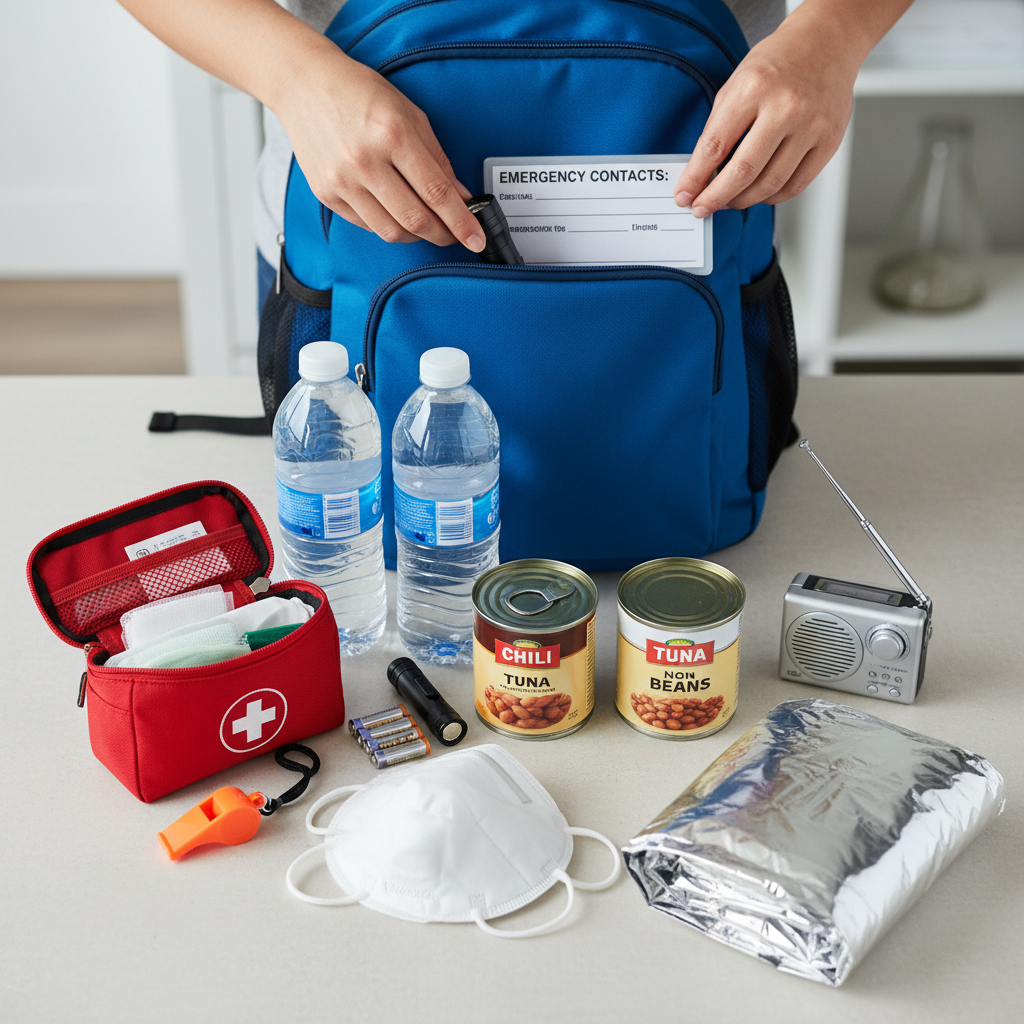
Having an emergency kit in your vehicle is a smart precaution during the winter months. Pack items such as a flashlight, blankets, non-perishable snacks, a first-aid kit, and jumper cables. It's also wise to include a small shovel and a bag of sand or kitty litter, which can help provide traction if you get stuck in the snow.
Ensure Visibility and Lighting
Clear visibility is vital for safe winter driving. Make sure your windshield wipers are in good condition and replace them if they leave streaks. Consider using winter-specific wiper blades designed to handle snow and ice. Check all your vehicle's lights, including headlights, taillights, and turn signals, to ensure they are functioning correctly.
Keep Your Gas Tank Full
It's wise to keep your gas tank at least half full during the winter months. This practice helps prevent the fuel lines from freezing and ensures you're prepared for any unexpected delays or detours. Additionally, a full tank adds extra weight to your vehicle, which can improve traction on icy roads.
By following these essential tips, you'll be well-prepared to tackle the challenges of Saskatchewan winters, ensuring both your safety and your vehicle's performance during the cold months ahead.